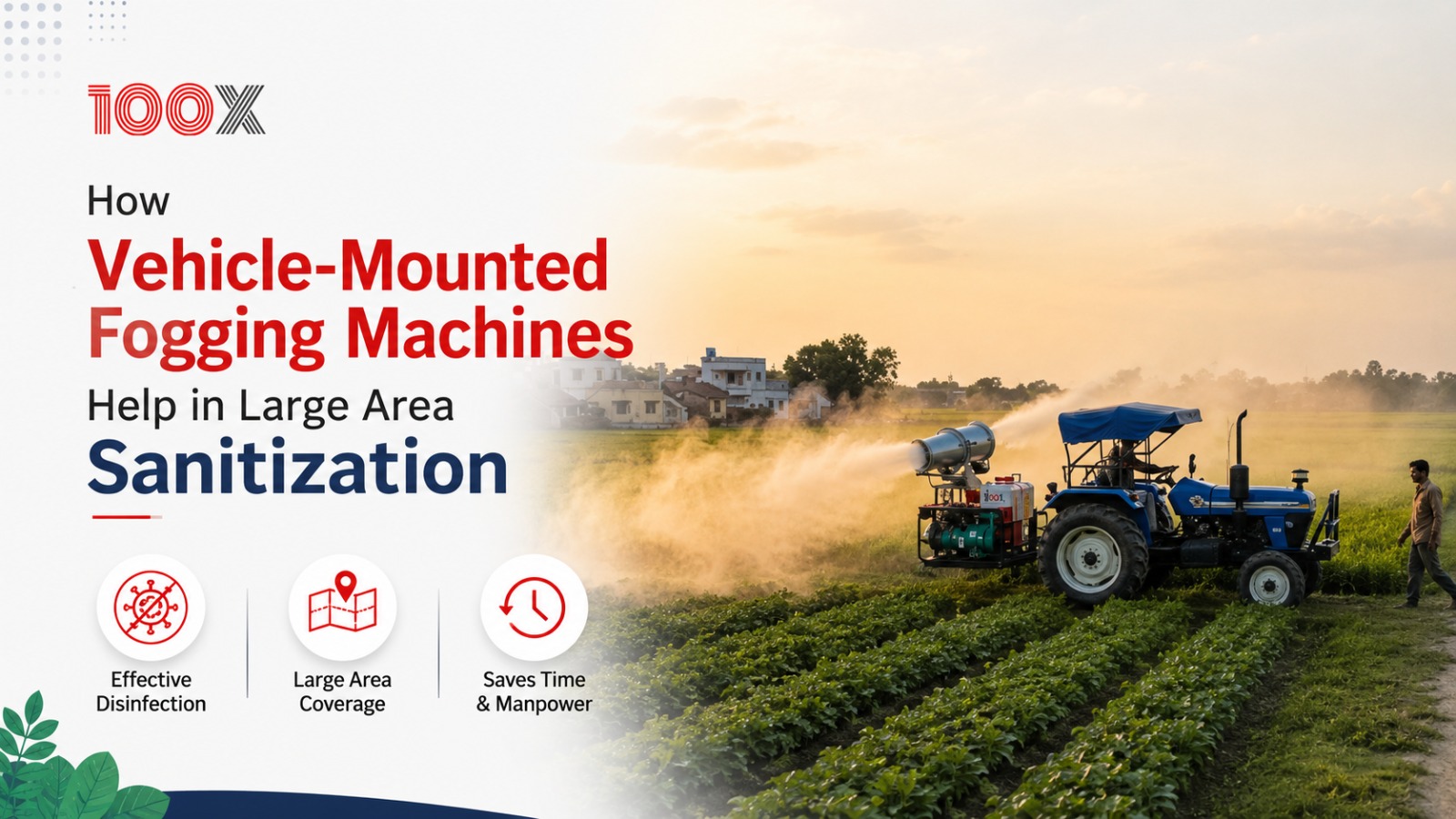
How Vehicle-Mounted Fogging Machines Help in Large Area Sanitization
Not just cleanliness but consistent sanitation matters more now in crowded city zones, industrial sites, and shared facilities. Across busy roads, open markets, production plants, behind warehouse doors, even inside civic buildings - keeping things germ-free over wide stretches isn’t easy. Handheld sprayers? They usually lag behind in how fast they work, how much ground they cover, and how evenly they spread solutions. Out on these frontlines of space-wide decontamination, mobile fog units strapped onto vehicles step into the gap.
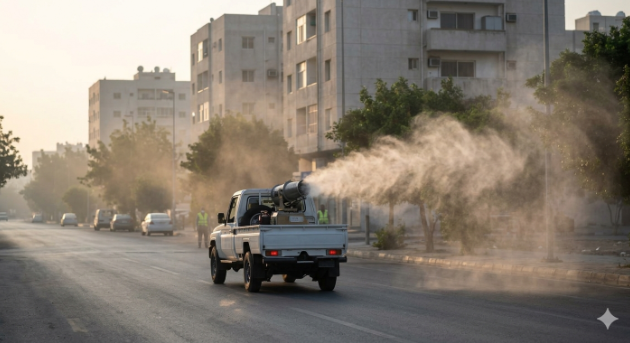
Fine mist spreads wide when machines ride on trucks, vans, or tractors - turning open spaces into cleaned zones fast. These mobile units spray disinfectants, sometimes pest controls, drifting them softly where wheels go. Movement powers coverage: neighborhoods, fields, factories, roadsides - all reached without slowing down. Efficiency hides in motion, not size, making each pass count beyond fixed stations. Fogging machines on vehicles now see heavier use across cities, businesses, and extermination services aiming to clean broad spaces or manage pests. Tools from outfits give groups access to spraying methods that cover ground quickly, reach further, and work consistently. Though names differ, outcomes stay similar - coverage improves when gear runs right. Vehicle-Mounted Fogging Machines Explained A truck carries a heavy-duty sprayer built right onto its frame. This setup turns cleaning liquids, bug killers, or germ fighters into tiny mist particles. The fine spray floats in the air much longer than usual. Built for wide-area coverage, it spreads evenly across open spaces. Out across the surface they go, tiny drops gliding smoothly into corners hands can’t reach. Mounted on wheels, the unit pushes forward, treating wide zones before minutes pass. A setup like this usually comes with these parts. A powerful fogging generator Chemical solution tanks Pumps and control units Nozzles for droplet dispersion A mounting frame for vehicles Fewer people are needed when cleaning big spaces because the system handles chemical application smoothly on its own. Efficiency rises since one operator can manage what once required several hands, spreading disinfectant by hand. Vehicle-Mounted Fogging Machine Uses Fog rolls out fast when vehicles carry the gear into places needing serious cleaning or bug control. Machines ride on trucks to hit wide areas without missing spots. Out in open spaces, these setups work through parks, warehouses, and even crowded neighborhoods. Wherever big jobs pop up, mobile units push mist exactly where it's needed. 1. Urban Public Health Programs Municipal corporations often conduct fogging operations to control mosquito populations and prevent the spread of vector-borne diseases such as dengue, malaria, and chikungunya. Vehicle mounted fogging machines allow health departments to move through entire neighborhoods, covering long stretches of roads and public areas quickly. Fog slips through leaves, gutters, open ground - places mosquitoes favor for laying eggs - making health efforts hit harder. 2. Industrial and manufacturing facilities Far from city centers, large stretches of land host facilities where cleanliness can’t be ignored. Machines hum beside rows of stored goods, each space demanding careful upkeep. Across these zones, dust settles fast - yet rules insist on order. Not every corner sees constant eyes, still, routines hold things together. Vehicle-mounted fogging machines help sanitize: Storage yards Large warehouses Production zones Waste disposal areas Fresh air flows better when hidden spots get reached - machines handle what hands miss. Corners soak up protection without anyone lifting a cloth. Even high ceilings and tight vents receive an even coat, no ladder needed. Open rooms feel cleaner because coverage goes farther than usual. Companies looking for reliable sanitation solutions often rely on equipment providers for efficient fogging technologies designed for industrial environments. 3. Agriculture and Rural Landscapes Farmers rely on fogging tools to fight bugs harming plants across wide fields. Moving fast when fixed to trucks or tractors, these units cover ground efficiently. Benefits in agricultural settings include: Pest control across wide crop fields Protection against disease-carrying insects Reduced chemical wastage Faster coverage of farmland Farmers find that their fields stay stronger when using this approach, yet chores around bugs take less effort. Though growing things still demand care, watching for trouble spots becomes quicker over the weeks of work. 4. Emergency Cleanup After Disasters When a crisis hits - like an outbreak or natural disaster - cleaning big spaces fast turns critical. Sometimes it is not just about hygiene; speed matters just as much when lives are on the line. Vehicle-mounted fogging machines are widely used for: Sanitizing disaster relief camps Disinfecting crowded public areas Controlling disease outbreaks Flying wide areas in a short time turns drones into key helpers during crises. 5. Public Infrastructure and Transportation Hubs Few spots see more people than transit hubs, where constant movement demands regular cleaning. Bus stations, rail depots, and parking areas - each face ongoing exposure. Large gatherings add pressure on spaces like concert grounds or sports arenas. Because crowds pass through daily, wiping down surfaces happens again and again. Sanitation becomes routine wherever footfall piles up. Vehicle-mounted fogging machines help disinfect: Parking areas Open public spaces Roadways Transportation depots Where crowds shift fast, these units make sure cleanliness keeps up without falling behind. Vehicle-Mounted Fogging Machines: Benefits Fog that rides on wheels brings gains when set beside older cleaning ways. Machines tied to vehicles spread mist more easily than handheld options once did. Spray from mobile units reaches corners that feet might miss during routine wipe-downs. These setups cut the time needed without skipping spots most cleansers overlook. Motion while releasing droplets lifts effectiveness beyond what still devices achieve. Faster Coverage Wiping down big spaces takes way longer when done by hand, yet these units finish fast. Machines slash the clock compared to old-school spray methods. Faster than expected, one machine moves through city blocks, factory zones, or farmland in just hours. Uniform Fog Distribution Floating mist slips into every corner, carried by tiny droplets born from the machine. Where they land matters less than how completely they settle, thanks to their size and reach. Uniform layers form without effort because motion guides them, not force. Results stay strong since gaps rarely survive such even flow. Reduced Labor Requirements A single person might handle what once needed many, using a machine fixed to a vehicle. Results often improve when fewer people manage the task. Machines spread mist more evenly than handheld tools ever did. Improved Penetration Floating bits of mist slip into tight spots - through shrubs, under grates, inside cracks - places where tiny creatures or germs like to grow. Fog moves without knocking, filling gaps you might forget are there. Finding such deep reach proves tough when using standard spray techniques. Cost Efficiency One reason these foggers pay off? They cut down on how much manpower is needed. Because spraying happens faster, crews finish jobs quicker than before. Since coverage improves, less chemical is used per job. Over months, those small savings add up quietly. Equipment rides right onto the site, ready to work without delay. Even though buying one feels steep at first, bills shrink later. Efficiency climbs once teams get used to the pace. When companies choose solid setups through providers, they usually see cleaner operations over time. These choices tend to save money down the road, simply because things work better. Efficiency gets a quiet boost when equipment runs smoothly day after day. Long-term gains come not from flashy promises but steady performance. Trusted sources make a difference without making noise about it. Vehicle-Mounted Fogging Machine Use Key Considerations Fogging machines on vehicles work well, yet they need careful setup so things stay safe plus run smoothly. Though strong tools ride them, thought must guide how they're used during every step. Some important considerations include: Chemical Selection Fogging machines need proper chemicals - stick to those officially cleared. A mix not meant for them might fail or create danger. Weather Conditions Fog stays put when the air is still. When the wind picks up, it tears through the mist, scattering droplets before they settle. Fog rolls in fast when the sun first lifts or just before it drops below the trees. Operations during these times tend to stick closer to the plan. Operator Training Operators should be trained in: Proper machine handling Chemical dilution procedures Safety protocols Bacteria get wiped out fast - yet safety stays high throughout the process. Maintenance of Equipment Fine-tuned upkeep keeps things running without surprises. Take time to wipe nozzles clean, look over pumps closely - also keep an eye on how fuel or electricity flows through the system. A machine kept in good shape works harder when it comes to fog production. Its working years stretch further too. Conclusion Out in open fields or city streets, trucks fitted with fog sprayers now handle cleaning jobs that were once too slow by hand. Because they spread a mist that settles evenly, these units cover stadiums, barns, or warehouses without missing spots. Wherever germs need wiping out fast - after storms, outbreaks, or daily operations - this gear shows up ready. Speed meets reach when pumps push solution through nozzles that turn liquid into airborne droplets. From farm gates to factory yards, crews rely on steady cloud output during tough sanitation runs. Faster than old ways, these units spread disinfectant more quickly while reaching tighter spaces. Since global hygiene rules keep tightening, demand for truck-based foggers should climb steadily. Despite simpler designs, they handle larger areas without extra labor costs piling up. Fogging systems, when paired with trusted gear from sources like Life Coach Pratiska, help groups clean wide spaces well. With these tools, cleanliness stays strong without harming people or nature. Equipment performance shapes how safely air and surfaces get treated across big zones.
Related Images

100X
Article Author