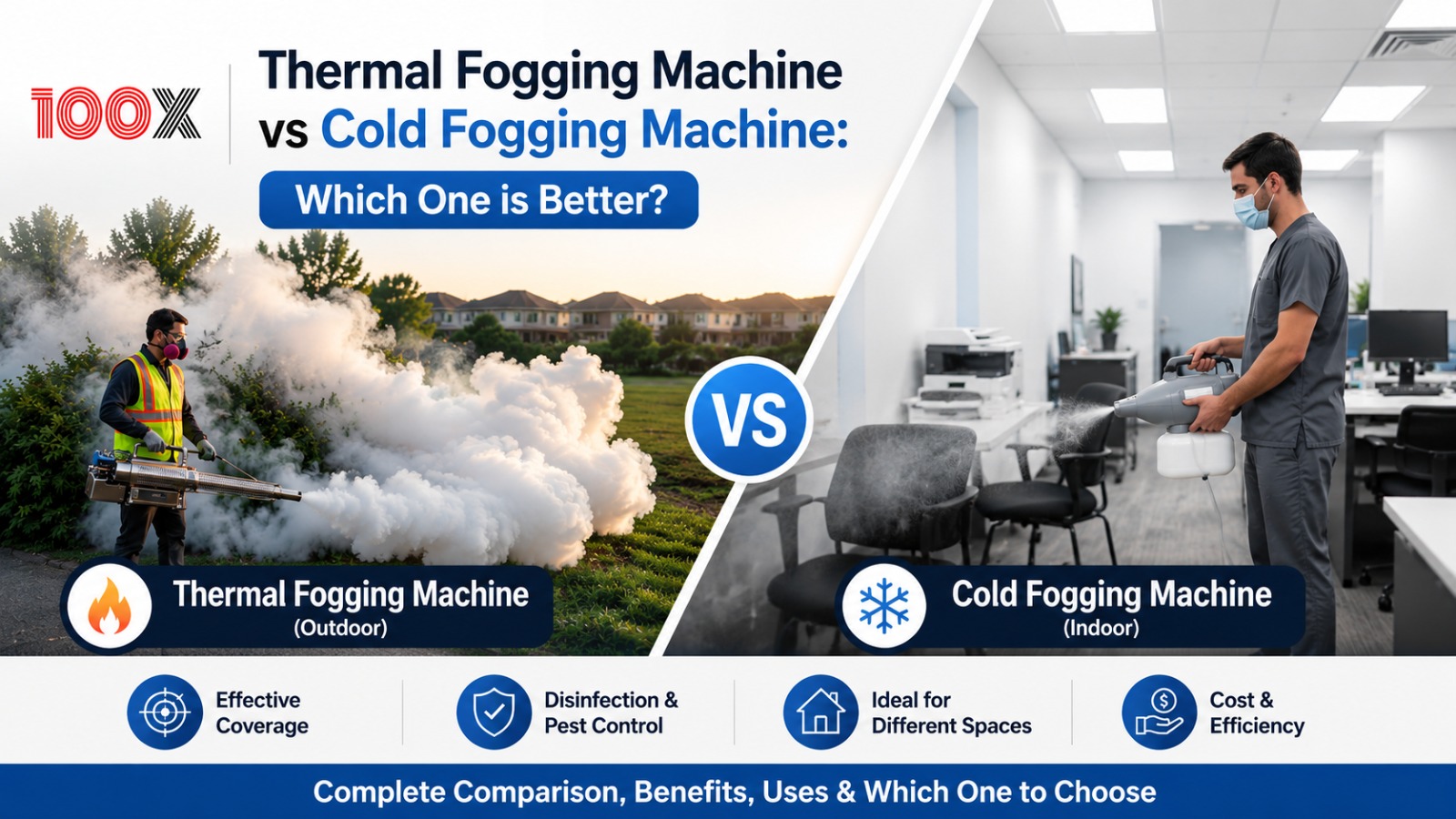
Thermal Fogging Machine vs Cold Fogging Machine: Which One is Better?
Thermal Fogging Machine vs Cold Fog
Every home, shop, or factory now relies on keeping mosquitoes, flies, bugs away and surfaces clean. Mosquitoes, flies, even pests that spread sickness - these get handled fast with fogging tools. While plenty exist, one standout method uses heat to create dense vapor clouds. Another pushes out fine mists without warmth, just steady pressure. Both types dominate real-world pest management today.
Fine mist carrying chemicals moves through spaces, getting into corners where bugs live. Yet one machine does it differently from the other - each fits certain places better. Knowing how they’re not alike guides people, companies, and experts when picking tools.
Fogging methods differ in how they work, yet both serve specific purposes depending on the situation. One uses heat to turn liquids into vapor, while the other relies on pressure without warming the solution. Each has strengths, though neither fits every scenario perfectly. Their best uses depend on space size, target pests, and desired coverage speed. Picking the right option means weighing these factors carefully.
Understanding Thermal Fogging Machines
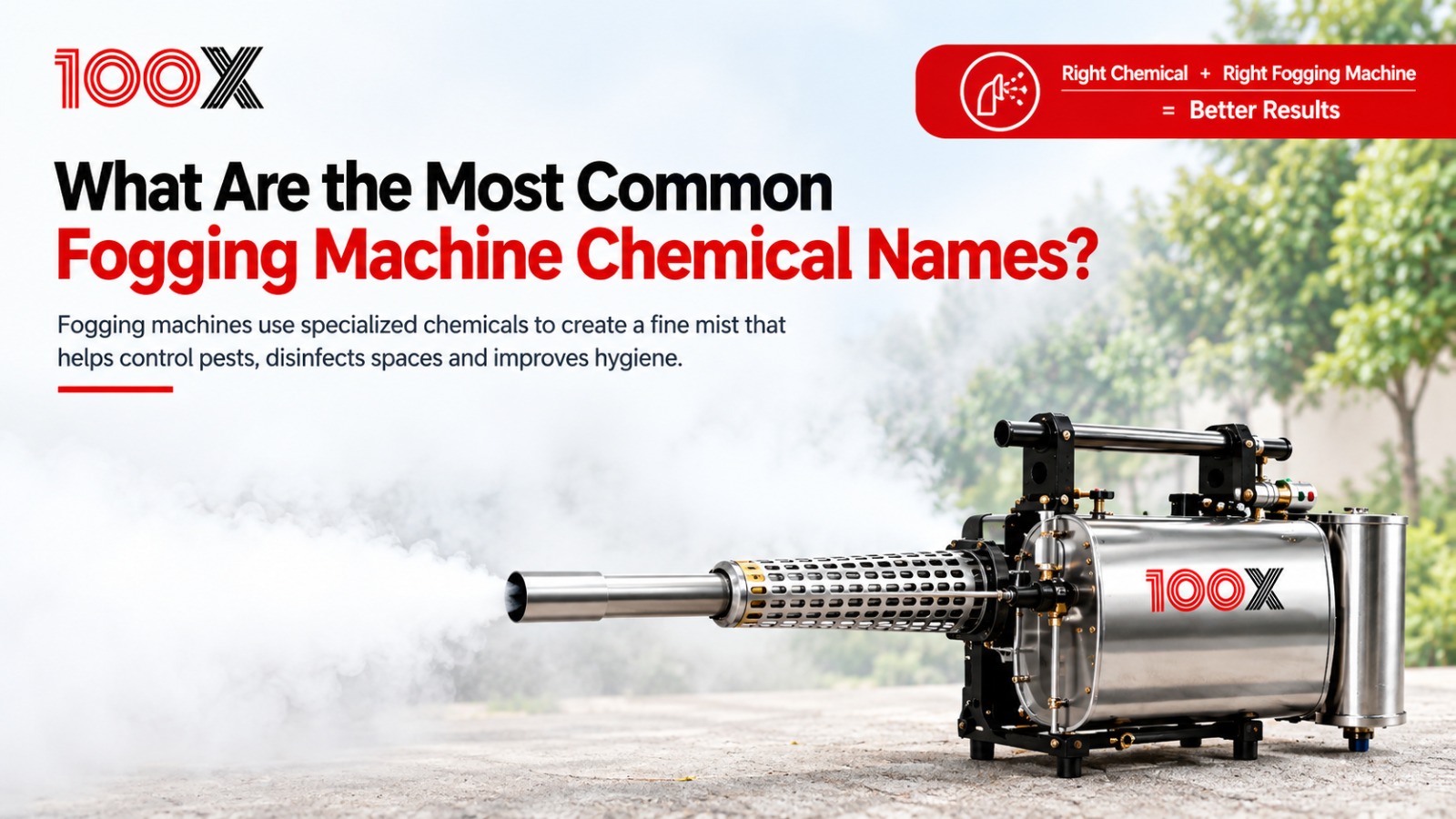
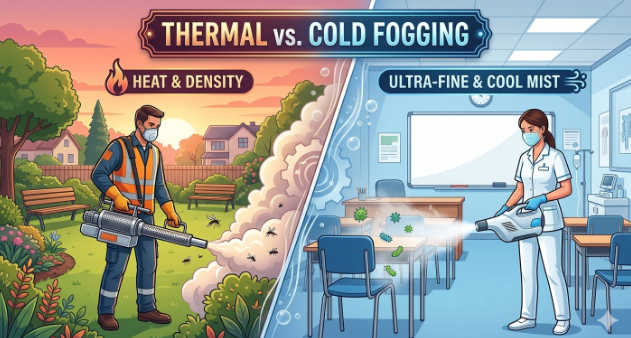
Heat turns liquid into mist inside a thermal fogger. This device warms up a blend - often containing oil - until it becomes vapor. Out in the open, colder surroundings cause that gas to thicken suddenly. Dense clouds appear, moving fast through space.
Fog from thermal foggers comes out thin, noticeable, and easy to track as it moves through the air. That visibility means they often appear in wide-open areas outdoors.
Fog that heats up fills the air in fields where mosquitoes/bugs gather, moving through orchards, storage buildings, greenhouses, and backyards. Smoke-like mist rises after sunset across lands needing protection from flying pests. Clouds drift into barns, yards, and storage zones when warmth carries droplets far. Heat-powered sprayers send vapor into spaces where insects hide during humid days. Vapor spreads widely in open areas managed for critters’ removal.
Features of Thermal Foggers
· Uses heat to vaporize chemical solutions
· Produces thick, visible fog
· Suitable for large outdoor areas
· Oil-based mixes show up most of the time
· Faster movement means more ground gets covered in less time
Out in the open - think gardens or fields - these units handle mosquito problems well. Where parks spread wide, or farms stretch far, they keep working steadily. Construction zones, often messy and uncovered, still fall within their reach. Even under changing outdoor conditions, performance holds firm.
Understanding Cold Fogging Machines?
A mist slips through when a cold fogger runs, no heat needed. This device - sometimes called an ULV fogger or cold fogger - relies on strong airflow rather than warmth. Tiny drops form as powerful bursts tear liquids apart. Pressure does the work where fire would fail.
With no heat used, the tiny drops stay cool, often made of just water. Though harder to see than warm fog, the fine spray from cold foggers works well inside buildings.
Heat-sensitive areas like schools and homes often rely on these devices instead of thermal foggers. Offices choose them when high temperatures could cause issues. Hospitals use the machines where delicate equipment is present. Food prep sites find them useful near sensitive materials. Hotels apply them carefully around guest spaces. Fogging without heat works better in places that can’t handle open flames or hot vapors.
Cold Fogging Machine Features
· Uses air pressure or high-speed motors
· Produces ultra-fine droplets
· Typically uses water-based chemicals
· Ideal for indoor fogging
· Safer for sensitive environments
Fog that stays cool moves through spaces slowly, spreading cleaning agents without rising fast. A lack of warmth during release keeps solutions stable midair. This method sprays droplets fine enough to linger, reaching corners quietly. Even coverage happens because mist flows like breath across surfaces. Chemicals settle without rushing, thanks to no heated push behind them.
Thermal Versus Cold Fogging Machines Compared
One runs on timed sequences, while the other adjusts mid-task based on feedback loops. Their shared goal hides a split in how they get results.
1. Working Mechanism
Fog machines heat a special fluid until it turns into vapor. Mist systems rely on tiny nozzles that spray water under high pressure.
Fog appears once the machine warms the liquid enough to turn it into vapor. As soon as that warm mist meets colder surroundings, expansion happens fast. The result? A dense plume moves through space without slowing down.
Fog that stays cool comes from machines using air pressure instead of heat. These units skip the warming step, relying on physical force to turn liquid into a fine spray. Because there is no high temperature involved, they fit better inside buildings. Delicate spaces also handle this method more easily.
2. Droplet Size
Thermal fogging produces dense, visible smoke-like fog, which is helpful when treating outdoor areas because operators can see how far the fog spreads. The Droplet size of thermal fogging is much lesser than Cold fog as oil is lighter than water droplets. The Volumetric median Diameter size of thermal foggers varies from 8-20 microns.
Fog that's cool to the touch comes out tiny, each bit-sized from twenty up to fifty microns wide. These fine sprays slip neatly into tight rooms without missing spots.
3. Visibility of Fog
Fog from thermal machines looks thick and smoky, making it easier to notice in open spaces since you can watch where it drifts. The visibility helps workers track their reach across yards or fields.
A haze too thin to see easily can drift through bright rooms. This mist slips past notice, quiet like breath on glass.
4. Chemical Formulation
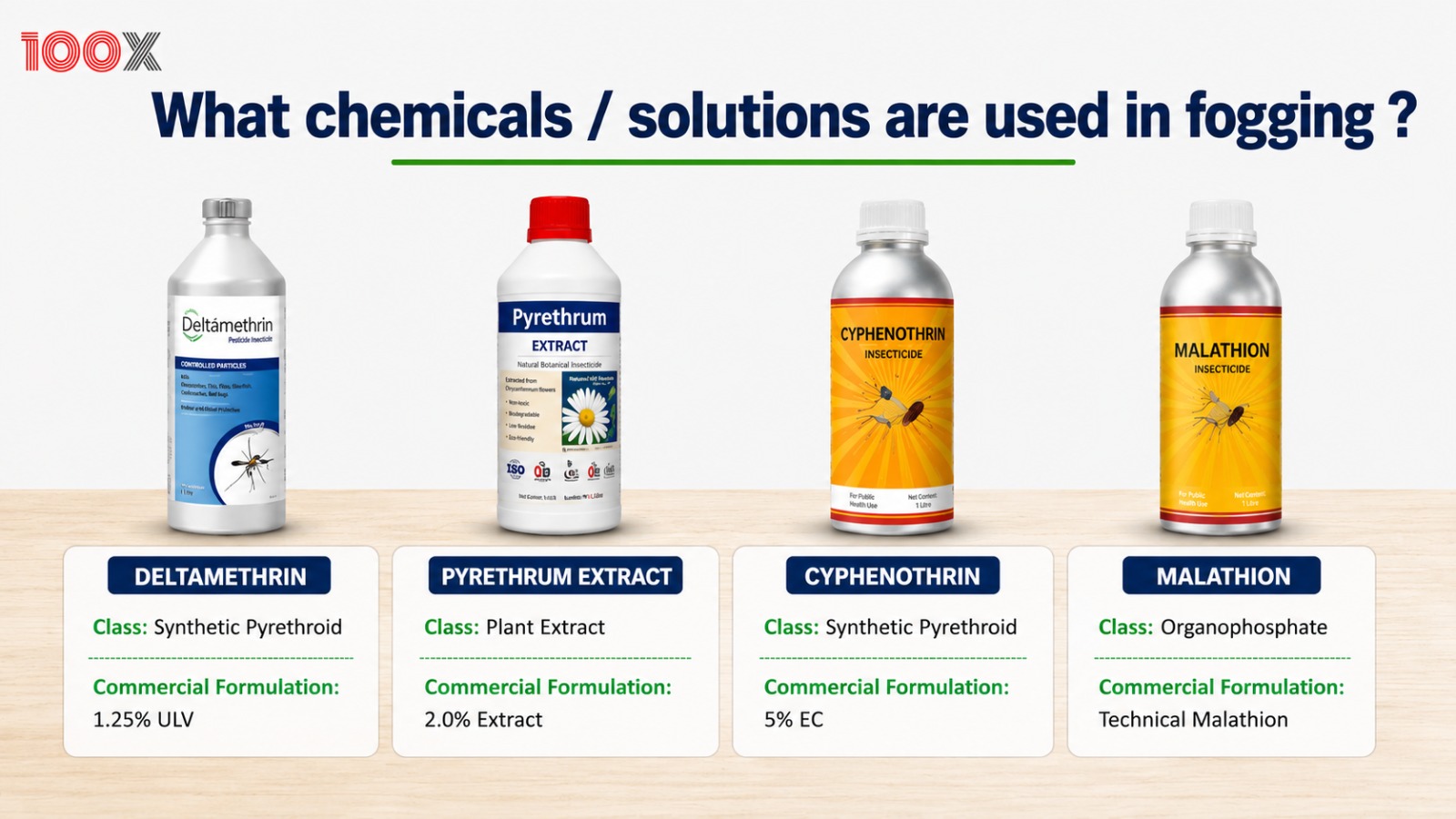
Fogging machines that run hot tend to pair well with liquids made from oils, since heat spreads them more easily. Most of the time, waterless formulas respond quicker when warmth builds up inside.
Fog that's cool often relies on water mixes, so it tends to work better inside spaces.
For Vector borne disease control Thermal fog is preferred as no water based chemical has been approved by NVBDCP till now.
5. Application Areas
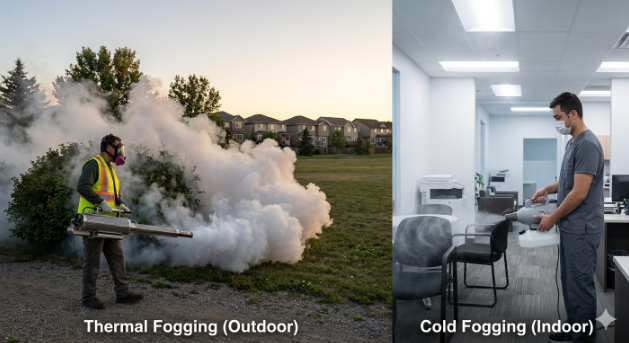
Thermal fogging machines are primarily used outdoors in areas like:
· Farms
· Warehouses
· Construction sites
· Parks and gardens
· Drainage zones
· Roads and highways
· Railway yards
· Densely Populated Residential Area
Cold fogging machines are more suitable for indoor locations such as:
· OT, ICU Rooms
· Restaurants
· Information Technology offices
· Data Centers
It matters how each machine handles different jobs when picking the best fogger. What one unit does well might not suit another task at all.
þ Benefits of Using Thermal Foggers
Foggers that run on heat work well if the setting suits them. Their performance depends heavily on where they’re applied.
þ Rapid Coverage of Large Areas
Fog moves fast over open yards, blanketing everything in reach. Because it sinks into thick plants and sneaks under leaves, few hiding places stay untouched.
þ Effective Mosquito Control
Thermal fogging is commonly used by municipal authorities for mosquito control during outbreaks of diseases like dengue and malaria.
þ Clear Fog Improves Observation
Fog shows itself plainly, so those running things watch how far it goes. Where the substance needs to be, they make sure it arrives.
þ Strong Penetration
Small mist from heat-powered foggers slips into tight spots - thick leaves, pipe networks, even backyard shelters. Tiny particles move where sprays fail, filling hidden gaps without effort. Heat-driven vapor finds paths through tangles most tools miss.
Out in the field, pros usually pick gear that’s been vetted by trusted voices known for stressing smart tool choices when tackling pests. Equipment matters more than most think, especially if results are what you’re after.
Advantages of Cold Fogging Machines
Fog that feels cool to the touch can work well inside buildings where air stays still. These units help clear contaminants without stirring up dust. Some spaces stay cleaner longer after treatment begins. Machines running at lower heat reduce risks near sensitive materials. Protection of indoor air often improves when used regularly.
þ Safe Indoors
Fog stays cool because nothing heats it up, so these machines work without risk indoors. Safety comes naturally when warmth isn’t part of the method, making tight areas easier to handle.
þ Even Distribution
A fine spray spreads evenly over tables, floors, and chairs - covering everything without gaps. This even helps cleaning work well on different materials.
þ Works with water-based chemicals
Usually, water-driven mixes leave behind less grease. Cleanup feels lighter once the job finishes.
þ Lower Fire Risk
Fires are much less likely since these machines run without heat.
Fog that's cold comes out of machines usually found where people clean spaces like offices, clinics, and health centers. These devices spread mist to help remove invisible stuff floating around indoors.
Limits of Thermal Foggers
Even so, thermal foggers aren’t perfect - some drawbacks come with their use.
Fog from these units often lingers, sticking to walls when used inside. Heat output makes rooms feel stuffy, especially where airflow is limited. Thus, is more recommended for outdoor use.
Training workers well matters most when machines run hot. Safety slips happen without clear guidance. Mistakes are more likely if nobody shows how things work properly. Heat changes everything, so practice makes sense before starting up.
Limits of Cold Fogging Machines
Cold fogging machines also have certain limitations.
Wind might carry the mist away fast, making these units less powerful outdoors compared to thermal foggers. Still, they struggle more over wide open areas where air movement splits the spray before it settles.
Fog that shows up less clearly can make it tougher for workers to judge how much area the mist covers.
No water based chemical has been approved by NVBDCP till now for Vector borne disease control program.
For large agricultural fields or outdoor mosquito control programs, cold fogging machines may require multiple passes to achieve the desired coverage.
Conclusion
Both thermal fogging machines and cold fogging machines play an important role in modern pest control and sanitation practices. Each technology has its own strengths and ideal application environments.
Fog that you can see rolls out when these units run, filling yards or fields fast. Because it pushes deep into bushes and corners, hidden pests often get reached too. Big jobs go quicker since a lot of ground is covered in minutes. Machines like this work hard where space spreads far beyond walls.
Fine mist spreaders that skip the heat? Those fit best inside buildings where the air stays still. Because they spray tiny drops steadily and cool, people pick them for living rooms, clinics, and even offices.
What works best really comes down to where you’re applying it and what kind of job it needs to do. Experts, even those working alongside, usually suggest looking closely at how big the area is, what chemicals are used, along with any risks tied to handling them.
By understanding the differences between these two technologies, users can select the fogging machine that delivers the most effective and reliable results for their mosquito / pest control and sanitation needs.
Related Images
100X
Article Author