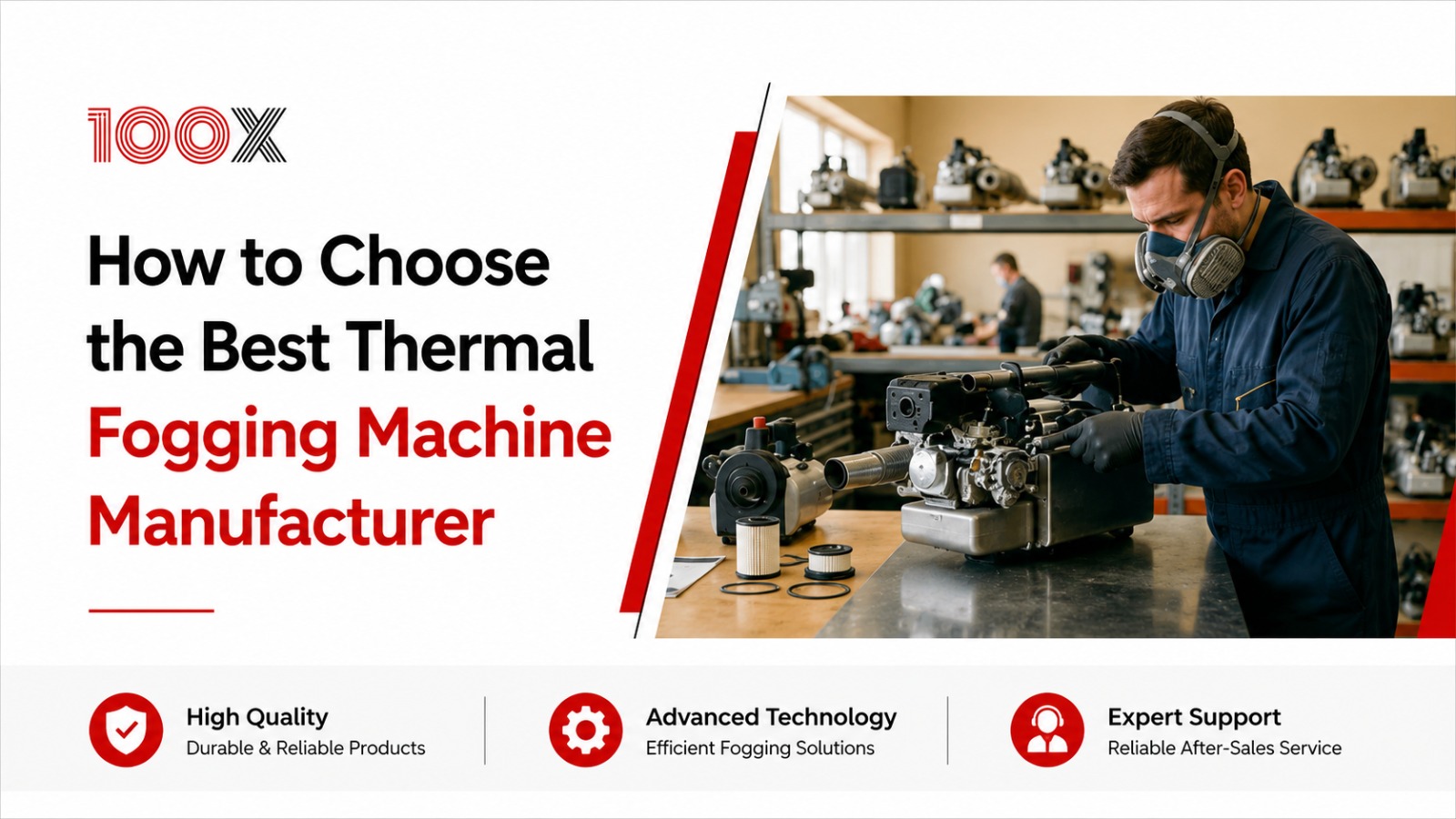
How to Choose the Best Thermal Fogging Machine Manufacturer
Fog from thermal machines spreads thin, covering wide spaces fast during treatment jobs. Heat-driven systems turn liquid into fog / mist that moves deep into hard-to-reach spots. Farms depend on them just as much as city cleanup efforts do. Wherever mosquitoes gather, you’ll often find one of these units at work. Performance hinges on how well each part handles constant high temperatures. Safety risks rise if parts degrade too soon under pressure. Users trust certain brands because replacements arrive without delay. Mist quality shifts noticeably when the design lacks precision. Long hours demand steady output - only some models deliver it consistently.
Some people fixate on cost alone when they buy a fogging machine. Yet it is really who makes the thing that shapes how solid, dependable, long-lasting, and effective it turns out. Machines crafted carefully tend to run without issues over time. Those put together carelessly often fail, or deliver uneven spray. Knowing which traits matter in a maker leads to choices that feel clearer, more grounded. Understanding the Importance of Thermal Fogging Machines Heat turns pesticide liquids into fog mist inside thermal foggers. Out comes a haze so light it floats far, slipping through thick plants, corners of gutters, deep storage rooms - places mosquitoes / bugs favor. Vapor lingers midair, drifting where sprays fail. Tiny beads of solution settle slowly, reaching cracks unseen. Now here’s a twist - those sprayers that blast mist fast aren’t just for farms anymore. Drifting through backyards and city blocks, they tackle mosquitoes on the move, slowing disease spread without delay. Instead of waiting, teams deploy them where bugs gather, especially when outbreaks loom. Farms lean on the haze too, shielding plants from hungry invaders at dusk. Lately, though, hallways, gyms, and stores catch the cloud during cleanups, wiping invisible threats from surfaces silently. Built for tough jobs, the machine's performance shapes how evenly chemicals spread with minimal usage. That’s what makes picking a trusted maker matter so much. Manufacturer Experience and Reputation It often helps to look at how long a company has been building thermal foggers before picking one. Those who’ve made these tools for decades tend to know the ins and outs of crafting gear that runs well and stays reliable. Over years of making things, seasoned builders tweak what they make after seeing how it works out in real situations, along with listening to user thoughts. Getting better burn results, managing droplet spread more precisely, and lasting longer under tough conditions - these become easier with practice. Machines that stick around tend to carry trust, mainly since so many people in varied fields have tried them already. Looking into a company's history helps when picking out machinery. Its clients might tell you something real about performance. Trust grows easier if others have stuck around a while. Solid names often stand behind gear that works without surprises. Product Quality and Engineering Standards Fogging machines work well when made right - strong parts matter most. Built tough, they face intense heat without failing. Chemicals flow through them, so only resilient materials survive the task. High-grade engineering keeps everything steady under pressure. A solidly built machine runs on a steady burn zone, backed by a fuel setup that holds up over time, while its pieces fight off rust even under constant strain. When crafted right, the mist it creates stays uniform - useful for keeping pests down or cleaning surfaces without fail. A single weak component can throw off an entire machine's mist pattern. When systems fail often, work slows down while repair bills pile up. Machines built by teams that prioritize solid design tend to keep running without surprises. One must ask from any manufacturer the grade of Stainless Steel used in combustion chamber Certifications And Compliance With Safety Standards A machine built without clear rules might fail when things get hot. Since these units run on fuel and handle chemicals, cutting corners can lead to trouble. Safety slips through cracks if guidelines aren’t locked in place early. High temperatures demand solid construction - no exceptions. Rules exist because mistakes burn more than just fuel. From time to time, a maker sticks to the rules just enough to prove their gear has been checked - tested, really - for how safe it runs, how well it works, how long it lasts. When stamped official, you know someone's watching every step, not just at the end but all through what they build. Finding out whether makers follow accepted rules often helps confirm their gear works right when actually used. Safety and performance tend to improve if guidelines are met along the way. Range of Products and Flexibility A pest control firm might use small foggers in homes. Yet farms could demand stronger units to reach wide open land. Each sector picks tools based on its own needs. A solid maker usually has various machines built for distinct jobs. Because there are several choices, purchasers can pick what lines up with how they work. When builders understand how varied fields operate, support tends to improve when picking the right setup. Not every business needs the same setup - some tailor their tools when working in unusual conditions. Custom features pop up now and then, fitting odd demands that standard setups just miss. Spare Parts and Maintenance Support Available Time passes, so even tough machines need care now and then. Parts like fuel filters or nozzles wear out after a while - replacement becomes necessary. When finding spares takes too long, work slows down without a good reason. Because of this, picking a maker that keeps spare parts easy to get matters a lot. Those who run wide delivery routes plus solid help networks give users smoother ways to keep machines running without stops. When makers lay out how to care for equipment, machines tend to last longer. Those who offer solid support along the way make upkeep easier. Clear directions mean fewer mistakes over time. Help during repairs keeps things running without long waits. Knowing what steps to follow reduces wear unexpectedly. Supportive brands often see their products used well for years. Guidance shapes habits more than expected. After Sales Service Matters A machine might run smoothly for years, yet still need help when something goes wrong. Support after purchase doesn’t always get attention, though it shapes how long gear lasts. When issues pop up, guidance matters just as much as the build. When you work with a solid maker, they hand over clear guides that explain every step. Help shows up not just in booklets but through real advice when things get tricky. Fixing broken parts becomes easier because backup is part of the deal. Training sometimes comes along, slipped in by those who build the gear. Learning how machines behave takes place in sessions meant to keep hands safe while moving fast. Most companies focusing on help for buyers tend to care more about how well things work, plus whether people like using them. Firms show what happens when advice matters - clients pick gear matching their real-life demands. From start to finish, support shapes choices quietly but deeply. Customer Opinions and Public Confidence From time to time, what buyers say shows more than specs ever could. A machine's true behavior? Look at user stories - those show it running under pressure. Some users mention steady mist production, solid build quality, straightforward controls, and helpful assistance when needed. Yet when several point out recurring malfunctions or slow replies from the company, it might signal deeper concerns. Though satisfaction shows reliability, ongoing gripes could reflect flaws behind the scenes. A buyer might skip trouble by checking what others say about a supplier. Word travels fast when service falls short. Past experiences often show up in reviews left online. People tend to share frustration more than praise. That noise, however, holds useful clues. Listening closely reveals patterns over time. Trust builds slowly - feedback speeds it up. Pricing and Long-Term Value A price tag matters, sure - yet it mustn’t rule every choice. Some machines cost very little because corners get cut, like using weak materials or skipping vital safety parts. At first glance, those deals seem smart; the truth is, they often break faster and need more fixes. Over time, cheap builds tend to drain money instead of saving it. Looking past price alone helps reveal what a maker truly delivers. Machine toughness matters, as well as how smoothly it runs day after day. Fuel use adds up - less burn means fewer headaches later. Good backup when things go wrong? That counts just as much. Spending more upfront can actually save cash down the line. Focusing too much on price can backfire. Also, pointing out that solid performance matters more over time. Choosing gear built to last usually makes sense, even if it costs more up front. What seems cheap at first might need fixes sooner. Longevity tends to outweigh initial discounts for serious users. Conclusion Choosing the best thermal fogging machine manufacturer requires careful evaluation of several important factors. Experience, engineering quality, safety standards, product range, spare part availability, and after-sales support all contribute to the reliability and performance of the equipment. Jumping straight to buying just because something costs less? Take time first - look closely at who makes it, what others say about them. When a fogger is built right, expect steady work without constant fixes. Long run, that means real worth across farming, cleaning spaces, or keeping pests away. Worth shows up quietly when things keep working. Organizations and professionals, highlight the importance of informed decision-making when selecting specialized equipment. By choosing a trusted manufacturer, businesses can ensure they are investing in machinery that meets both operational requirements and safety standards.
Related Images

100X
Article Author